

Green roofing systems for urban homes: A Sustainable Solution for Modern Living
Share this:
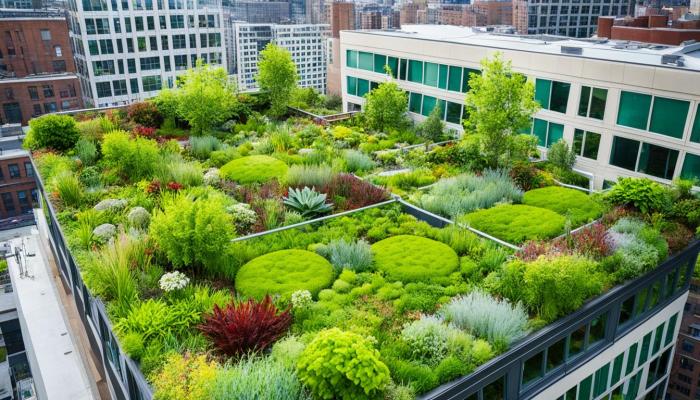
Exploring the benefits of integrating green roofing systems in urban areas sheds light on the environmental advantages and practical solutions for energy consumption. Let's delve into the world of green roofs and their impact on urban living.
As we navigate through the different types, installation processes, and maintenance requirements of green roofing systems, a clearer picture emerges of how they can transform urban landscapes into more sustainable and eco-friendly spaces.
Benefits of Green Roofing Systems
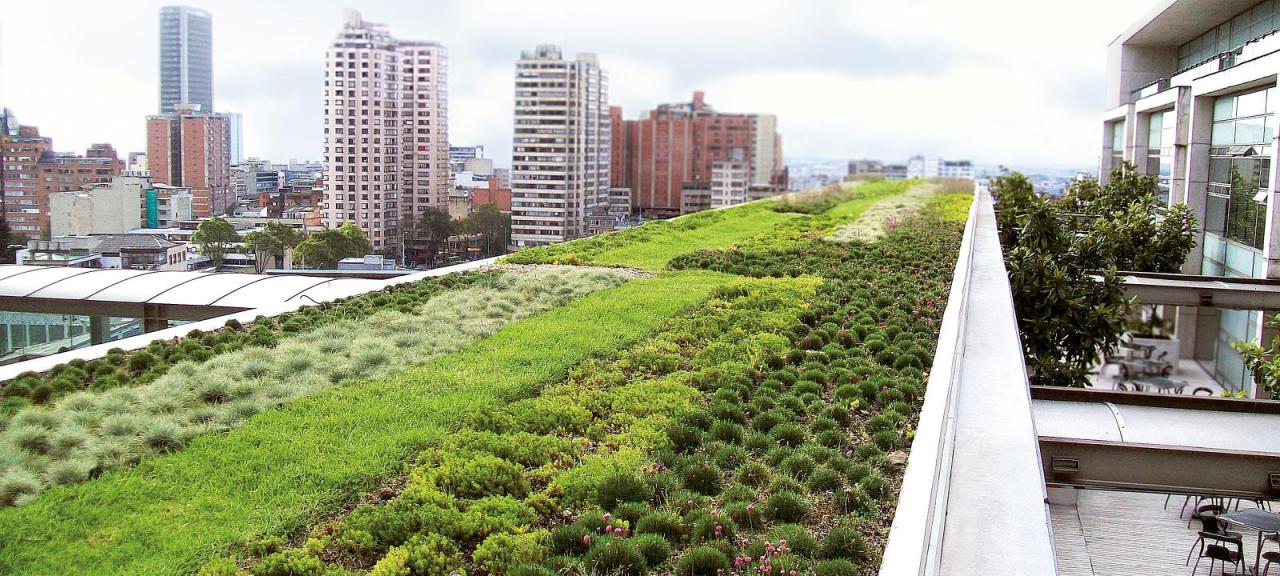
Green roofing systems offer a variety of environmental advantages for urban homes. These benefits include:
Reduced Energy Consumption
- Green roofs provide natural insulation, reducing the need for heating and cooling in buildings.
- By absorbing sunlight and reducing heat gain, green roofs can lower energy consumption for air conditioning during hot seasons.
Stormwater Management
- Green roofs absorb and retain rainwater, reducing stormwater runoff and alleviating pressure on urban drainage systems.
- This helps prevent flooding and erosion in cities, improving overall water management.
Urban Heat Island Effect
- Green roofs help counteract the urban heat island effect by providing natural cooling through evapotranspiration and shading.
- They can reduce surface temperatures in urban areas and improve air quality and comfort for residents.
Types of Green Roofing Systems
Green roofing systems come in various types, each with its own set of characteristics and benefits. Two common types are extensive and intensive green roofing systems.
Extensive Green Roofing Systems
- Characterized by a thin layer of vegetation, typically low-maintenance
- Consist of drought-resistant plants like sedums and grasses
- Minimal soil depth requirement, lightweight, and cost-effective
- Usually require less maintenance and irrigation compared to intensive green roofs
Intensive Green Roofing Systems
- Feature a thicker layer of soil, allowing for a wider variety of plant options
- Can accommodate larger plants, trees, and even gardens or recreational spaces
- Require more maintenance, irrigation, and structural support due to the heavier weight
- Higher upfront cost but offer more design flexibility and aesthetic appeal
Components of a Green Roofing System
- Vegetation: Plants, grasses, or even trees that make up the green roof
- Drainage: System to manage excess water and prevent waterlogging
- Filter layers: Materials that filter out pollutants and help with water retention
Biodiverse Green Roofs vs. Intensive Green Roofs
- Biodiverse green roofs focus on creating habitats for various plant and animal species
- Intensive green roofs prioritize design and aesthetic appeal, often incorporating diverse plant varieties
- Maintenance for biodiverse green roofs is more focused on ecosystem health and balance
- Intensive green roofs require more regular maintenance for plant health and appearance
Installation Process of Green Roofing Systems
When it comes to installing a green roof on an urban home, several important steps need to be taken to ensure its success. One of the key aspects of the installation process is proper waterproofing and root barriers, which play a crucial role in protecting the roof structure and preventing water damage.
Importance of Proper Waterproofing and Root Barriers
Before any vegetation is added to the roof, it is essential to install a high-quality waterproofing membrane to prevent water from seeping into the building. Additionally, root barriers are crucial in preventing plant roots from penetrating the roof structure and causing damage over time.
Selecting the Right Plants
Choosing the right plants for a green roof is essential for ensuring its longevity and success. When selecting plants, it is important to consider the local climate and maintenance requirements. Opt for drought-resistant plants that can thrive in the specific conditions of your area, and make sure to choose species that are low-maintenance and can withstand the harsh urban environment.
Maintenance and Upkeep of Green Roofing Systems
Maintaining green roofing systems is crucial to ensure their longevity and effectiveness in providing environmental benefits. Regular upkeep tasks, proper irrigation, and addressing common issues are essential for the health of the green roof.
Regular Maintenance Tasks
- Regularly inspect the green roof for any signs of damage, such as tears in the waterproof membrane or loose vegetation.
- Remove debris like fallen leaves and branches to prevent clogging of drainage systems and promote healthy plant growth.
- Check and clean gutters and downspouts to ensure proper water flow and prevent water pooling on the roof.
- Trim overgrown vegetation to maintain a uniform look and prevent overcrowding that can lead to pest infestations.
Importance of Irrigation Systems
Proper irrigation is vital for the health of plants on a green roof. Without adequate water, plants can wither and die, compromising the integrity of the entire system. An efficient irrigation system can help conserve water and ensure that plants receive the right amount of moisture.
Efficient Watering Techniques
- Use drip irrigation systems to deliver water directly to plant roots, minimizing evaporation and runoff.
- Water early in the morning or late in the evening to reduce water loss due to evaporation during hot daytime temperatures.
- Monitor moisture levels regularly and adjust watering frequency based on weather conditions and plant needs.
Common Issues and Recommendations
Addressing common issues promptly can prevent major problems and maintain the health of the green roof. Here are some recommendations:
- Plant Selection:Choose plants that are well-suited to the local climate and require minimal maintenance.
- Weed Control:Regularly remove weeds to prevent them from competing with desirable plants for nutrients and water.
- Drainage Maintenance:Ensure that drainage systems are clear and functioning properly to prevent water buildup and potential damage to the roof structure.
Epilogue
In conclusion, embracing green roofing systems for urban homes not only enhances the aesthetics of the city but also plays a crucial role in environmental conservation and sustainable living. With proper installation and upkeep, green roofs can pave the way for a greener future in our urban spaces.
Clarifying Questions
Are green roofs only beneficial for the environment?
Green roofs also provide insulation, reduce energy costs, and can increase the lifespan of a roof.
Can any type of plant be used on a green roof?
Not all plants are suitable for green roofs. Plants must be able to withstand harsh conditions like wind, heat, and drought.
Do green roofs require a lot of maintenance?
While green roofs do require some maintenance, they are designed to be low-maintenance once established.