

Cost-effective roofing solutions for large buildings: A Comprehensive Guide
Share this:
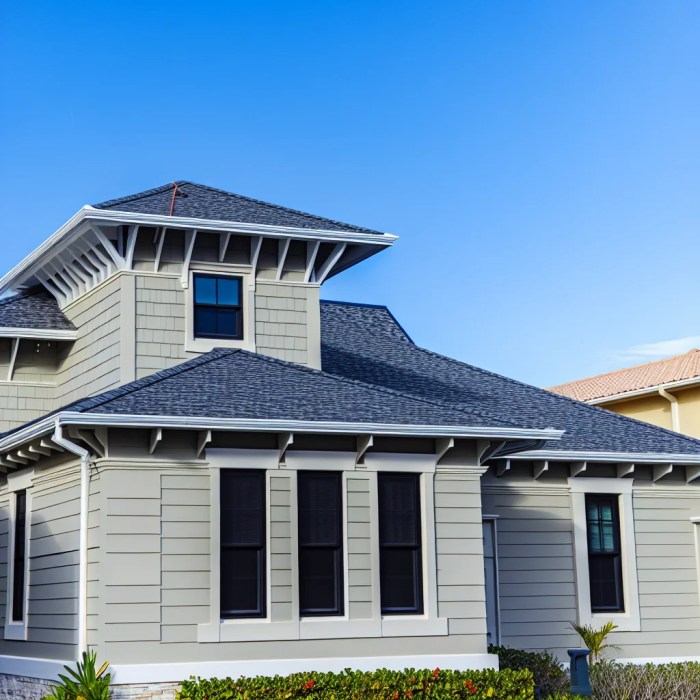
Exploring cost-effective roofing solutions for large buildings unveils a realm of possibilities to enhance structural integrity while minimizing expenses. This guide delves into the various types of solutions, materials used, installation methods, and maintenance strategies, providing a holistic view of this crucial aspect of construction.
Types of cost-effective roofing solutions
When it comes to cost-effective roofing solutions for large buildings, there are several options available that offer a balance between affordability and durability. Let's explore some of the most common types of cost-effective roofing solutions along with their advantages, disadvantages, and examples of successful implementations.
Asphalt Shingles
Asphalt shingles are one of the most popular roofing materials due to their affordability and ease of installation. They come in a variety of colors and styles, making them a versatile option for large buildings. However, asphalt shingles have a shorter lifespan compared to other roofing materials and may require more frequent maintenance.
Examples of large buildings with asphalt shingle roofs include residential homes, schools, and small commercial buildings.
Metal Roofing
Metal roofing is another cost-effective option that offers durability and energy efficiency. Metal roofs are lightweight, making them suitable for large buildings without adding excessive weight to the structure. They are also resistant to fire, mildew, and insects. However, metal roofing can be noisy during rain or hailstorms, and the initial cost may be higher than asphalt shingles.
Large warehouses, factories, and shopping malls are examples of buildings that have successfully implemented metal roofing solutions.
EPDM Roofing
EPDM (ethylene propylene diene terpolymer) roofing is a synthetic rubber roofing membrane that is cost-effective and easy to install. It is highly durable, resistant to UV rays and weather damage, and requires minimal maintenance. EPDM roofing is commonly used in large commercial buildings, hospitals, and schools due to its long lifespan and energy efficiency.
However, it may be prone to punctures from sharp objects and can be difficult to repair.
Green Roofs
Green roofs are becoming increasingly popular as a cost-effective and environmentally friendly roofing solution for large buildings. They consist of a layer of vegetation planted on top of a waterproof membrane, providing insulation, reducing stormwater runoff, and improving air quality.
While the initial cost of installing a green roof may be higher, it can lead to long-term savings on energy costs and maintenance. Examples of large buildings with successful green roof implementations include office buildings, universities, and government facilities.
Materials used in cost-effective roofing solutions
When it comes to cost-effective roofing solutions for large buildings, the choice of materials plays a crucial role in determining the overall durability, cost, and sustainability of the roof. Different materials offer varying levels of performance and longevity, so it is essential to select the most suitable option based on the specific requirements of the building.
Commonly used roofing materials
- Asphalt shingles: Asphalt shingles are one of the most popular roofing materials due to their affordability and ease of installation. They come in a variety of colors and styles, making them a versatile choice for cost-effective roofing solutions.
- Metal roofing: Metal roofing is known for its durability and longevity, making it a cost-effective option in the long run. While the initial cost may be higher than other materials, metal roofs require minimal maintenance and have a lifespan of 40-70 years.
- EPDM rubber roofing: EPDM rubber roofing is a synthetic material that is lightweight, durable, and cost-effective. It is resistant to UV rays and weather damage, making it a popular choice for flat roofs on large buildings.
Comparison of materials
- Durability: Metal roofing offers the highest level of durability, with a lifespan of up to 70 years, followed by EPDM rubber roofing and asphalt shingles.
- Cost: Asphalt shingles are the most cost-effective option upfront, while metal roofing may have a higher initial cost but lower long-term maintenance expenses. EPDM rubber roofing falls in between the two in terms of cost.
- Sustainability: Metal roofing is highly sustainable as it can be recycled at the end of its lifespan. EPDM rubber roofing is also recyclable, but asphalt shingles are not as environmentally friendly.
Innovative and eco-friendly materials
- Solar shingles: Solar shingles are a combination of traditional roofing materials and solar cells, allowing buildings to generate their electricity. While the initial cost may be higher, solar shingles can significantly reduce energy bills over time.
- Green roofs: Green roofs involve planting vegetation on the roof surface, providing insulation, reducing stormwater runoff, and improving air quality. They are a sustainable and environmentally friendly roofing solution for large buildings.
Installation methods for cost-effective roofing solutions
When it comes to installing cost-effective roofing solutions on large buildings, a step-by-step process is crucial to ensure the efficiency and longevity of the roofing system. Specialized equipment and techniques may be required to streamline the installation process and guarantee optimal results.
Step-by-step process for installing cost-effective roofing solutions
- 1. Preparation of the roof surface by cleaning and repairing any damages to ensure a smooth foundation.
- 2. Application of a waterproof membrane to provide a protective barrier against moisture infiltration.
- 3. Installation of insulation materials to improve energy efficiency and regulate indoor temperature.
- 4. Placement of roofing materials, such as metal panels or shingles, using appropriate fastening methods.
- 5. Sealing seams and edges to prevent water leakage and enhance the durability of the roofing system.
- 6. Final inspection to ensure proper installation and adherence to safety standards.
Specialized equipment and techniques for efficient installation
- - The use of roofing nail guns or screw guns for quick and secure attachment of roofing materials.
- - Roofing hoists or cranes to facilitate the transportation and positioning of heavy materials.
- - Installation of walkways or safety harness systems to ensure worker safety during the installation process.
Tips for ensuring the longevity and effectiveness of the roofing system post-installation
- - Conduct regular inspections and maintenance to identify and address any potential issues early on.
- - Keep gutters and drains clear of debris to prevent water accumulation and potential damage to the roofing system.
- - Address any leaks or damages promptly to prevent further deterioration of the roofing materials.
- - Consider applying protective coatings or sealants to enhance the durability and weather resistance of the roofing system.
Maintenance and repair strategies for cost-effective roofing solutions
Regular maintenance and timely repairs are essential for ensuring the longevity and performance of cost-effective roofing solutions. By following a structured maintenance schedule and promptly addressing any issues that arise, you can maximize the value of your investment in the roofing system.
Maintenance Schedule
- Inspect the roof at least twice a year, ideally in the spring and fall, to check for any signs of damage or wear.
- Clean debris such as leaves, branches, and dirt regularly to prevent clogging of drains and gutters.
- Trim overhanging branches to avoid damage from falling limbs and excessive shade that can promote moss and algae growth.
- Check for loose or missing shingles, cracks, or other signs of wear that may indicate the need for repairs.
- Ensure proper ventilation to prevent moisture buildup and condensation that can lead to mold and mildew growth.
Common Issues and Solutions
- Leakage: Identify the source of the leak and patch it with roofing cement or replace damaged shingles.
- Moss and Algae Growth: Clean the roof surface with a mixture of water and bleach to remove moss and algae, and install zinc or copper strips to prevent regrowth.
- Blow-offs: Secure loose shingles or tiles with roofing nails or adhesive to prevent them from blowing off during high winds.
- Ponding Water: Improve drainage by clearing clogged gutters and adding tapered insulation to promote water runoff.
Importance of Regular Inspections
Regular inspections help identify minor issues before they escalate into costly repairs or replacements. By addressing problems early on, you can extend the lifespan of your cost-effective roofing system and ensure its continued performance and durability.
Outcome Summary
In conclusion, cost-effective roofing solutions for large buildings offer a blend of affordability and efficiency. By understanding the different options available, selecting suitable materials, and following proper installation and maintenance practices, property owners can ensure long-lasting, reliable roofs for their structures.
This guide equips readers with the knowledge needed to make informed decisions and optimize the performance of their roofing systems.
FAQ Resource
What are the key advantages of cost-effective roofing solutions?
Cost-effective roofing solutions help reduce overall construction costs without compromising quality. They offer long-term durability and can be customized to suit the specific needs of large buildings.
Are eco-friendly materials a viable option for cost-effective roofing solutions?
Yes, eco-friendly materials such as recycled metal, solar panels, or green roofs can be excellent choices for cost-effective roofing solutions. They not only promote sustainability but also contribute to energy efficiency.
How often should maintenance be conducted on cost-effective roofing solutions?
Regular maintenance checks should be performed at least twice a year to ensure the roofing system remains in optimal condition. Additional inspections after severe weather conditions are also recommended.