

Comparing roofing warranties: What to look for
Share this:
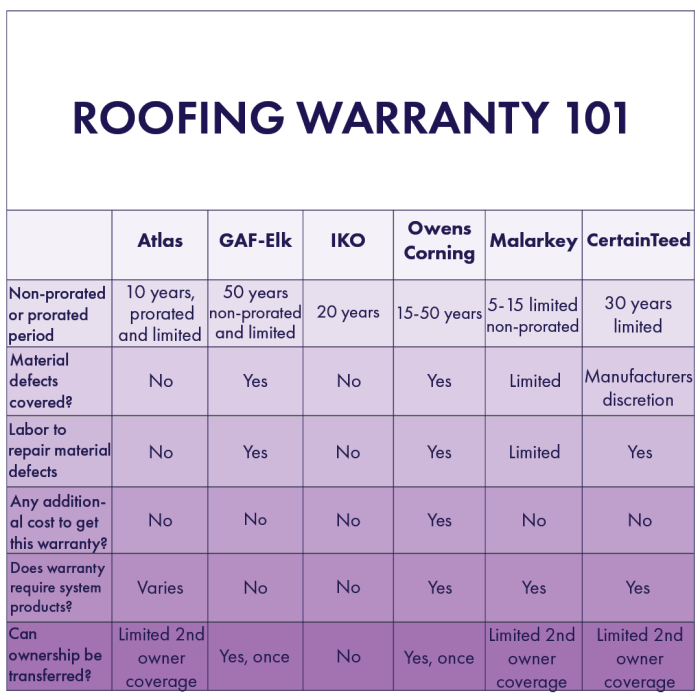
Comparing roofing warranties: What to look for sets the stage for this informative exploration, providing readers with a comprehensive understanding of what to consider when evaluating different roofing warranties.
As we delve deeper into the intricacies of roofing warranties, we uncover key insights that can help homeowners make informed decisions about their roofing needs.
Understanding Roofing Warranties
Roofing warranties are essential agreements that provide protection and assurance to homeowners regarding the quality and longevity of their roof. These warranties Artikel the terms and conditions under which the manufacturer or contractor will repair or replace any defects that may arise during the warranty period.
Purpose of a Roofing Warranty
A roofing warranty serves as a guarantee that the roof will perform as expected and withstand various weather conditions for a specified period. It offers peace of mind to homeowners, knowing that they are covered in case of any issues with their roof.
Types of Roofing Warranties
- Manufacturer's Warranty: Provided by the manufacturer of the roofing materials, this warranty covers defects in the materials used in the roof.
- Workmanship Warranty: Offered by the roofing contractor, this warranty ensures that the installation of the roof is done correctly and covers any issues arising from poor workmanship.
- Extended Warranty: Some manufacturers or contractors offer extended warranties that provide additional coverage beyond the standard warranty period for an extra cost.
Key Components of a Roofing Warranty
- Duration: The length of time the warranty is valid, typically ranging from 5 to 50 years.
- Coverage: What specific issues or defects are covered by the warranty, such as leaks, material defects, or workmanship errors.
- Exclusions: Any circumstances or conditions that are not covered by the warranty, such as natural disasters or improper maintenance.
- Transferability: Whether the warranty can be transferred to a new homeowner if the property is sold.
Comparing Warranty Coverage
When comparing roofing warranties, it is essential to understand what aspects of the roof are typically covered and how they differ based on the type of work being done. This includes materials, workmanship, and installation, which all play a crucial role in the longevity and performance of your roof.
Materials Coverage
- Most roofing warranties cover defects in the materials used, such as shingles, underlayment, and flashing.
- Make sure to check for any exclusions or limitations on specific materials, as some warranties may not cover all types of roofing materials.
Workmanship Coverage
- Workmanship warranties typically cover the quality of the installation and labor involved in putting the roof together.
- Look for warranties that guarantee against improper installation, leaks, and other workmanship-related issues.
Installation Coverage
- New roof warranties often provide coverage for both materials and workmanship, ensuring that the entire roof system is protected.
- Repair work warranties may focus more on specific issues being addressed, such as a leak or damaged area, rather than the entire roof system.
Duration and Limitations
When it comes to roofing warranties, the duration and limitations play a crucial role in determining the overall value and protection offered. Understanding these aspects is essential for homeowners to make informed decisions when choosing a roofing warranty.Warranty Duration:Roofing warranty duration refers to the length of time the warranty coverage remains in effect.
Typically, roofing warranties can vary in duration, ranging from a few years to several decades. The longer the warranty period, the more extended protection it offers for your roof. A longer warranty duration is often indicative of the manufacturer's confidence in the quality and durability of their roofing materials.Common Limitations and Exclusions:Despite the coverage provided by roofing warranties, there are often limitations and exclusions that homeowners should be aware of.
Some common limitations and exclusions in roofing warranties include:
- Damage caused by improper installation or maintenance
- Acts of nature such as hurricanes, tornadoes, or earthquakes
- Damage resulting from unauthorized repairs or alterations
- Normal wear and tear over time
Impact on Overall Value:The duration of a roofing warranty can significantly impact the overall value it provides to homeowners. A longer warranty period offers more extended protection and peace of mind, ensuring that any potential issues with the roof will be covered for an extended period.
On the other hand, shorter warranty durations may require homeowners to bear the cost of repairs or replacements once the warranty expires, potentially leading to additional expenses.
Significance of Warranty Duration
- Longer warranty durations offer extended protection for your roof.
- Indicates the manufacturer's confidence in the quality of their roofing materials.
- Provides peace of mind for homeowners against potential roofing issues.
Common Limitations and Exclusions
- Damage from improper installation or maintenance is often not covered.
- Acts of nature like hurricanes or earthquakes may be excluded from warranty coverage.
- Unauthorized repairs or alterations can void the warranty.
- Normal wear and tear over time may not be covered.
Impact of Warranty Length on Value
- Longer warranty durations can save homeowners from out-of-pocket expenses for repairs.
- Shorter warranty periods may lead to additional costs once the warranty expires.
- Consider the warranty duration when assessing the overall value of a roofing warranty.
Transferability and Fine Print
When it comes to roofing warranties, understanding the transferability and fine print is crucial for homeowners. Let's delve into these important aspects to consider before making a decision.
Transferability of Roofing Warranties
Some roofing warranties are transferable, meaning they can be passed on to the next homeowner if you decide to sell your home. This can be a valuable selling point and add to the overall value of your property. However, it's essential to check the terms and conditions of the warranty to see if there are any restrictions or fees associated with transferring it.
Importance of Understanding the Fine Print
Reading the fine print of a roofing warranty is crucial to avoid any surprises or misunderstandings in the future. Homeowners should pay close attention to details such as exclusions, limitations, and maintenance requirements Artikeld in the warranty. Failure to comply with these terms could void the warranty and leave you unprotected in case of any issues.
Hidden Clauses in Roofing Warranties
Roofing warranties may contain hidden clauses that homeowners should be aware of. For example, some warranties may not cover damage caused by natural disasters like hurricanes or earthquakes. It's essential to understand what is and isn't covered under the warranty to avoid any unpleasant surprises down the line.
Additionally, be on the lookout for clauses related to installation requirements, as improper installation could void the warranty.
Manufacturer vs. Contractor Warranties
When it comes to roofing warranties, it is essential to understand the key differences between manufacturer warranties and contractor warranties. Both types of warranties play a crucial role in protecting your investment and ensuring the longevity of your roof. Let's delve into the specifics of each to help you make an informed decision.
Manufacturer Warranties
Manufacturer warranties are provided by the company that produces the roofing materials. These warranties typically cover defects in materials and workmanship. Here are some points to consider when evaluating the reliability of a manufacturer's warranty:
- Check the reputation of the manufacturer: A well-established manufacturer with a history of producing quality materials is more likely to stand behind their warranty.
- Review the warranty coverage: Look for comprehensive coverage that includes protection against common issues such as leaks, cracks, and manufacturing defects.
- Understand the warranty duration: A longer warranty period indicates the manufacturer's confidence in the durability of their products.
- Consider the limitations: Be aware of any exclusions or conditions that may void the warranty, such as improper installation or lack of maintenance.
- Verify transferability: Some manufacturer warranties are transferable to a new homeowner, adding value to your property.
Contractor Warranties
Contractor warranties, on the other hand, are provided by the roofing installation company and cover the labor and installation work. The quality of installation plays a significant role in the effectiveness of a contractor warranty. Here's what to keep in mind when evaluating contractor warranties:
- Assess the contractor's reputation: Choose a reputable contractor with a track record of quality workmanship and customer satisfaction.
- Review the warranty terms: Ensure that the warranty clearly Artikels what is covered, such as labor costs, repairs, and any limitations.
- Consider the warranty duration: A longer warranty period reflects the contractor's confidence in the longevity of their work.
- Examine the fine print: Pay attention to any conditions or maintenance requirements that could impact the validity of the warranty.
- Ask about transferability: Some contractor warranties may be transferable, providing added peace of mind if you decide to sell your home.
Epilogue
In conclusion, Comparing roofing warranties: What to look for sheds light on the nuances of roofing warranties, empowering individuals to navigate the complexities of warranty options with confidence and clarity.
FAQ Resource
What does a roofing warranty typically cover?
A roofing warranty usually covers materials, workmanship, and installation.
Are roofing warranties transferable?
Some roofing warranties are transferable, allowing homeowners to pass on the coverage to the new owner if they sell their home.
How does warranty length impact the overall value?
A longer warranty duration often indicates the manufacturer's confidence in their product, potentially offering better long-term protection for homeowners.