

Car Interior Design Innovations and Trends: A Comprehensive Look at the Evolution of Car Interiors
Share this:
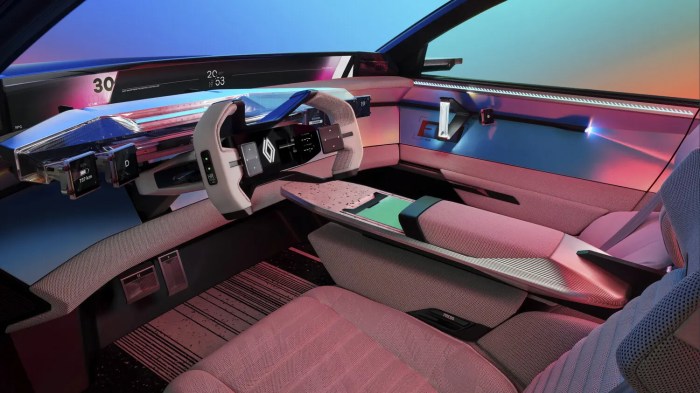
Car interior design innovations and trends set the stage for this enthralling narrative, offering readers a glimpse into a story that is rich in detail and brimming with originality from the outset. From the evolution of car interior design to the integration of cutting-edge technologies, this exploration delves deep into the fascinating world of automotive interiors.
As we navigate through the various aspects of car interior design, we uncover the impact of technology, the use of sustainable materials, the emphasis on comfort and ergonomics, and the rise of customization options. Join us on this journey as we unravel the intricate tapestry of car interior design innovations and trends.
Car Interior Design Evolution
Car interior design has come a long way since the first automobiles hit the roads. Let's take a look at the key milestones in car interior design evolution and how traditional car interiors compare to modern designs.
Timeline of Key Milestones
- Early 1900s: The first cars had simple interiors with basic seats and minimal features.
- 1920s-1930s: Luxury cars started to feature more comfortable seating, dashboard instruments, and interior lighting.
- 1950s-1960s: The rise of car culture led to the introduction of colorful interiors, chrome accents, and stylish designs.
- 1980s-1990s: Technology began to play a bigger role in car interiors with the introduction of digital displays, power windows, and advanced audio systems.
- 2000s-Present: Modern car interiors focus on comfort, safety, and connectivity, with features like touchscreen displays, voice controls, and advanced driver-assist systems.
Most Influential Design Trends
- Ergonomics: Designing interiors for comfort and convenience became a priority over the years.
- Material Innovation: From leather and wood to high-quality plastics and carbon fiber, materials used in car interiors have evolved.
- Minimalism: Modern designs often feature clean lines, uncluttered spaces, and a focus on simplicity.
- Customization: Car manufacturers now offer a wide range of options for personalizing interiors to suit individual tastes.
Traditional vs. Modern Designs
Traditional car interiors were often characterized by bulky controls, analog displays, and limited creature comforts. In contrast, modern designs prioritize sleek interfaces, digital displays, and advanced technology integration. While traditional designs may evoke a sense of nostalgia, modern interiors offer enhanced functionality and a more futuristic aesthetic.
Technology Integration in Car Interiors
Technology has significantly impacted car interior design, leading to innovative features that enhance the driving experience.
Cutting-Edge Technologies in Modern Car Interiors
- Interactive Displays: Modern cars feature touchscreen displays that control various functions such as navigation, entertainment, and climate control.
- Augmented Reality Head-Up Displays: Some vehicles now have AR HUDs that project vital information onto the windshield, reducing the need for the driver to take their eyes off the road.
- Voice Control Systems: Cars now allow drivers to control functions using voice commands, enhancing safety and convenience.
- Wireless Charging: Many vehicles are equipped with wireless charging pads for smartphones, eliminating the need for cables.
Revolutionizing the Driving Experience with Smart Features
- Autonomous Driving: Advanced driver-assist systems enable features like lane-keeping assist, adaptive cruise control, and automated parking, making driving safer and more convenient.
- Connected Car Technology: Cars can now connect to the internet, allowing for real-time traffic updates, remote vehicle monitoring, and integration with smart home devices.
- Biometric Sensors: Some cars use biometric sensors to monitor the driver's vital signs, adjusting settings like seat position and cabin temperature for optimal comfort.
Sustainable Materials and Eco-Friendly Designs
Car interior design has been evolving to incorporate sustainable materials and eco-friendly designs in order to reduce the environmental impact of vehicles. By using innovative materials and design choices, car manufacturers are able to create interiors that are both stylish and environmentally conscious.
Use of Sustainable Materials
Car manufacturers are increasingly utilizing sustainable materials in car interiors, such as recycled plastics, natural fibers like bamboo and cork, and eco-friendly leather alternatives made from materials like pineapple leaves or apple skins. These materials not only help reduce waste but also lower the carbon footprint of the vehicle.
Benefits of Eco-Friendly Designs
- Reduced environmental impact: Eco-friendly designs help minimize the use of harmful chemicals and materials, leading to a lower carbon footprint and less pollution.
- Improved air quality: Sustainable materials can help improve indoor air quality by reducing the emission of volatile organic compounds (VOCs) that can be harmful to human health.
- Resource conservation: By using renewable and recycled materials, eco-friendly designs contribute to the conservation of natural resources and promote a more sustainable approach to manufacturing.
Innovative Design Choices
- Vegetable-tanned leather: Some car manufacturers are opting for vegetable-tanned leather, which uses natural tannins derived from plants instead of toxic chemicals, making it a more sustainable option.
- Recycled materials: From carpets made from recycled plastic bottles to seat fabrics crafted from recycled fibers, car interiors are being designed with a focus on utilizing recycled materials to reduce waste.
- Bio-based plastics: Car manufacturers are exploring the use of bio-based plastics derived from renewable sources like corn or sugarcane to create interior components that are biodegradable and eco-friendly.
Comfort and Ergonomics
Comfort and ergonomics play a crucial role in car interior design, as they directly impact the overall driving experience and passenger satisfaction.
Ergonomic Features in Car Interior Design
- Adjustable seating positions: Car seats that can be customized to fit the driver's body shape and size help reduce fatigue during long drives.
- Easy-to-reach controls: Placing essential controls within the driver's reach without causing strain or distraction enhances convenience and safety.
- Driver-centric layout: An ergonomic design that focuses on the driver's comfort and convenience can improve overall driving performance and reduce stress.
Passenger Comfort Prioritization
Car manufacturers prioritize passenger comfort by incorporating features such as:
- Climate control systems: Ensuring optimal temperature and air quality inside the car enhances passenger comfort during various weather conditions.
- Noise insulation: Using sound-absorbing materials to reduce outside noise levels contributes to a quieter and more relaxed driving experience.
- Quality materials: Choosing high-quality materials for seats, upholstery, and surfaces adds to the overall comfort and luxury feel of the interior.
Customization and Personalization Trends
In recent years, the automotive industry has witnessed a significant rise in customization options for car interior design. This trend is driven by consumers seeking unique and personalized experiences with their vehicles.
The Rise of Customization Options
Car manufacturers are increasingly offering a wide range of customization options, allowing customers to tailor their car interiors to suit their preferences. From choosing the color and material of the upholstery to selecting custom trim and finish options, the possibilities for personalization are virtually endless.
Personalization Trends Shaping the Future
Personalization trends are shaping the future of car interiors by emphasizing individuality and self-expression. As consumers look for ways to stand out and make a statement, car interior design has become a key area for showcasing personal style and taste.
Psychology Behind Personalized Choices
The psychology behind personalized car interior choices is complex and multifaceted. Personalization allows individuals to create a space that reflects their identity, values, and lifestyle. By customizing their car interiors, people can establish a sense of ownership and connection with their vehicles, leading to a more fulfilling driving experience.
Epilogue
In conclusion, the landscape of car interior design is constantly evolving, influenced by a myriad of factors including technological advancements, sustainability efforts, and changing consumer preferences. As we look towards the future, one thing remains certain - car interiors will continue to push boundaries and redefine the driving experience for generations to come.
FAQ Insights
How have smart features revolutionized the driving experience?
Smart features in car interiors, such as voice-controlled assistants and advanced infotainment systems, have transformed the driving experience by enhancing connectivity, convenience, and safety for drivers and passengers alike.
What are some examples of sustainable materials used in car interior design?
Car manufacturers are increasingly using materials like recycled plastics, natural fibers, and eco-friendly leathers to create sustainable and environmentally friendly car interiors.
Why is customization becoming a prominent trend in car interior design?
Customization allows car owners to personalize their vehicles according to their preferences, reflecting their individual style and personality. This trend is driven by the desire for a unique and tailored driving experience.