

Futuristic Car Design with AI Integration: Revolutionizing the Automotive Industry
Share this:
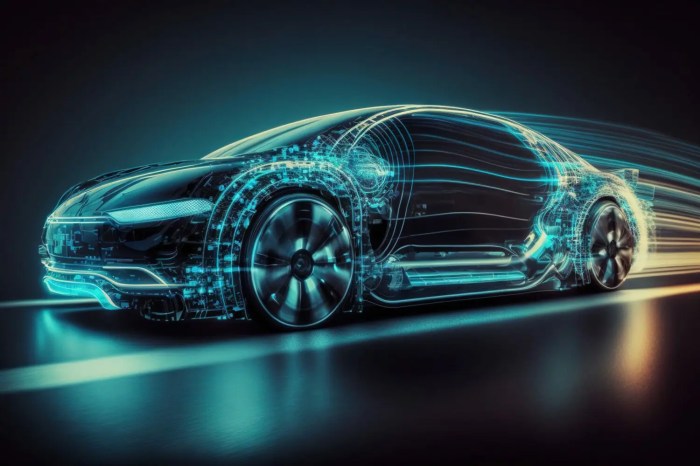
Exploring the cutting-edge realm of Futuristic car design with AI integration, this article delves into the exciting advancements reshaping the automotive landscape. From autonomous driving features to advanced AI interfaces, discover how artificial intelligence is propelling the future of transportation.
Overview of Futuristic Car Design with AI Integration
Futuristic car design with AI integration combines advanced technologies to create smart vehicles that can enhance safety, efficiency, and overall driving experience. Artificial Intelligence (AI) is revolutionizing the automotive industry by enabling cars to analyze data, make decisions, and adapt to different driving conditions in real-time.
Current AI Integrations in Modern Cars
AI has already made its way into modern cars, providing various features and functionalities that improve the overall driving experience. Some examples of AI integrations in modern cars include:
- Autonomous driving systems that use AI algorithms to control the vehicle's acceleration, braking, and steering.
- AI-powered voice assistants that can help drivers with navigation, entertainment, and communication while on the road.
- Advanced driver-assistance systems (ADAS) that use AI to detect and respond to potential hazards on the road, such as pedestrians, other vehicles, or obstacles.
- AI-based predictive maintenance systems that monitor the vehicle's condition and alert drivers to potential issues before they become serious problems.
AI-Powered Autonomous Driving Features
Autonomous driving features powered by AI technology have revolutionized the automotive industry, paving the way for safer and more efficient self-driving cars. By integrating advanced artificial intelligence systems into vehicles, manufacturers have been able to develop cutting-edge capabilities that enhance the driving experience and overall road safety.
Enhanced Safety and Efficiency
AI plays a crucial role in enhancing safety in self-driving cars by continuously analyzing data from various sensors and cameras to identify potential hazards on the road. Through real-time processing of information, AI algorithms can make split-second decisions to prevent accidents and ensure a smooth driving experience for passengers.
Additionally, AI-powered autonomous vehicles can optimize routes, reduce traffic congestion, and improve fuel efficiency, leading to a more sustainable and eco-friendly transportation system.
Challenges and Benefits of AI Integration
Integrating AI into autonomous vehicles comes with its own set of challenges and benefits. On one hand, the complexity of AI algorithms and the need for extensive training data pose challenges in developing reliable self-driving systems. Moreover, ensuring the safety and security of AI-powered vehicles against cyber threats remains a critical concern for manufacturers and regulators.
Despite these challenges, the benefits of AI integration in autonomous driving are immense, including reduced human errors, increased productivity, and improved mobility for individuals with disabilities or limited mobility.
Advanced AI Interfaces and User Experience
AI interfaces in futuristic cars have revolutionized the way we interact with our vehicles, enhancing the overall user experience. These advanced features not only provide convenience but also prioritize safety and efficiency for both drivers and passengers.
Voice Recognition Technology
Voice recognition technology is a prime example of AI-powered features that have significantly improved user experience inside vehicles. By simply using voice commands, drivers can control various functions such as adjusting the temperature, changing music, or even setting navigation destinations.
This hands-free operation not only reduces distractions but also adds a level of sophistication to the driving experience.
Personalized Recommendations
AI algorithms can analyze user preferences and behaviors to offer personalized recommendations for music, routes, or even nearby attractions. By understanding individual needs and habits, the AI system can create a more tailored and enjoyable driving experience for each passenger.
Autonomous Parking Assistance
Another remarkable AI-powered feature is autonomous parking assistance, which takes the stress out of parking in tight spaces. The system uses sensors and cameras to detect available parking spots and automatically steers the vehicle into the designated area. This not only saves time but also eliminates the hassle of maneuvering in cramped parking lots.
Emotion Recognition Technology
Some futuristic cars are equipped with emotion recognition technology that can detect the driver's emotions and adjust the vehicle's settings accordingly. For example, if the system senses that the driver is feeling stressed, it may play calming music or adjust the ambient lighting to create a more relaxing atmosphere.
This level of personalization contributes to a more pleasant and comfortable ride for everyone on board.
Sustainable Design Elements in Future Cars
Incorporating sustainable design elements in future cars is crucial for reducing the environmental impact of the automotive industry. By utilizing eco-friendly materials and optimizing energy efficiency through AI technology, the cars of the future can contribute to a cleaner and greener planet.
Incorporation of Sustainable Materials
One key aspect of sustainable design in future cars is the use of eco-friendly materials. This includes materials that are recycled, recyclable, or biodegradable, reducing the carbon footprint of the manufacturing process. For example, car manufacturers can incorporate bamboo, recycled plastics, or organic fabrics in the interior and exterior design of vehicles.
Optimizing Energy Efficiency with AI
AI technology can play a significant role in optimizing energy efficiency in future cars. By analyzing driving patterns, traffic conditions, and other data in real-time, AI-powered systems can adjust the performance of the vehicle to minimize energy consumption. This not only reduces fuel emissions but also enhances the overall sustainability of the vehicle.
Importance of Eco-Friendly Design
The importance of eco-friendly design in the future of the automotive industry cannot be overstated. As the world shifts towards a more sustainable future, car manufacturers must prioritize the use of renewable resources, energy-efficient technologies, and environmentally conscious practices. By embracing eco-friendly design elements, future cars can lead the way towards a more sustainable transportation sector.
Final Conclusion
In conclusion, the fusion of futuristic car design with AI integration is poised to redefine the way we perceive and interact with vehicles. As we embrace sustainable elements and user-centric AI interfaces, the automotive industry is on the brink of a transformative evolution towards smarter, safer, and more efficient transportation solutions.
FAQ Insights
How does AI improve safety in self-driving cars?
AI enhances safety in self-driving cars by constantly analyzing real-time data to predict and prevent potential accidents, making split-second decisions to ensure passenger and pedestrian safety.
What are some examples of AI-powered features in futuristic cars?
Examples include personalized voice assistants, predictive maintenance alerts, and adaptive cruise control systems that adjust speed based on traffic patterns.
Why is eco-friendly design important in the future of the automotive industry?
Eco-friendly design is crucial for reducing carbon footprint and environmental impact, aligning with global sustainability efforts and consumer demand for greener transportation solutions.