

Eco-friendly Home Design and Architecture Tips: Building a Sustainable Future
Share this:
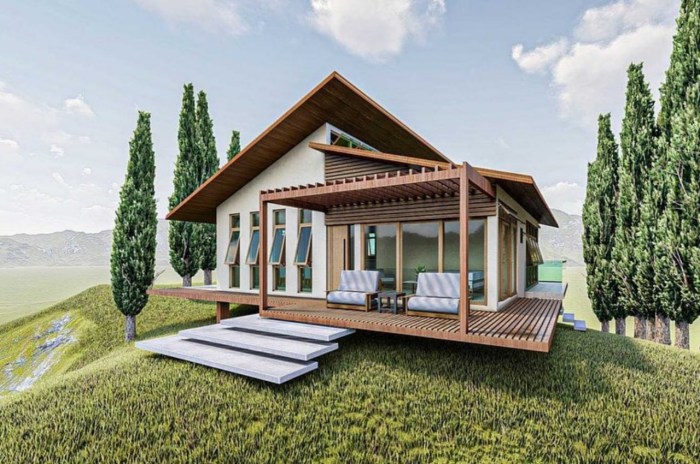
With Eco-friendly home design and architecture tips at the forefront, this paragraph opens a window to an amazing start and intrigue, inviting readers to embark on a storytelling casual formal language style filled with unexpected twists and insights.
When it comes to creating a home that not only looks beautiful but also cares for the environment, eco-friendly design and architecture play a crucial role. From using sustainable materials to implementing energy-efficient strategies, the possibilities are endless. Let's delve into the world of eco-friendly home design and architecture tips to discover how we can create spaces that are both stylish and environmentally conscious.
Eco-friendly materials
When it comes to eco-friendly home design and architecture, the choice of materials plays a crucial role in reducing environmental impact and promoting sustainability. Utilizing sustainable materials is key to creating a more environmentally friendly living space.One common sustainable material used in eco-friendly home design is bamboo.
Bamboo is a fast-growing renewable resource that can be harvested without causing harm to the environment. It is strong, lightweight, and versatile, making it an excellent choice for flooring, furniture, and even structural elements in a green building.Another popular eco-friendly material is reclaimed wood.
Using reclaimed wood from old buildings, barns, or other structures not only gives a unique character to the design but also helps reduce deforestation and waste. Reclaimed wood can be used for flooring, wall cladding, and furniture, adding warmth and texture to the space.Recycled materials, such as recycled glass, plastic, and metal, are also commonly used in eco-friendly architecture.
These materials help divert waste from landfills and reduce the need for extracting new raw materials. Recycled materials can be integrated into various design elements like countertops, tiles, and insulation, contributing to a more sustainable home environment.When comparing traditional materials like concrete, steel, and brick to eco-friendly alternatives like bamboo, reclaimed wood, and recycled materials, the environmental impact is significant.
Traditional materials often require high energy consumption and produce carbon emissions during production, while eco-friendly materials are more energy-efficient, renewable, and have lower carbon footprints. By choosing eco-friendly materials, homeowners can contribute to a greener future and create healthier living spaces for themselves and the planet.
Energy-efficient design
Passive solar design is a concept that utilizes the sun's energy to naturally heat and cool a home, reducing the need for mechanical heating and cooling systems. By strategically positioning windows, thermal mass, and shading elements, passive solar design maximizes solar gain in the winter and minimizes it in the summer, resulting in lower energy consumption throughout the year.
Optimizing natural light
Optimizing natural light in a home not only reduces the need for artificial lighting but also creates a more pleasant and inviting living space. To maximize natural light, consider the following tips:
- Install skylights or light tubes to bring in more natural light to interior spaces.
- Use light-colored, reflective surfaces to bounce light around the room.
- Position furniture and decor to allow for unobstructed natural light flow.
- Choose window treatments that allow for light to enter while still providing privacy when needed.
Proper insulation
Proper insulation is crucial for energy efficiency as it helps maintain a consistent temperature inside the home, reducing the load on heating and cooling systems. Key points to consider for proper insulation include:
- Ensure walls, floors, and ceilings are properly insulated to prevent heat loss in the winter and heat gain in the summer.
- Seal air leaks around windows, doors, and other openings to prevent drafts and improve energy efficiency.
- Consider using eco-friendly insulation materials such as recycled denim, cellulose, or wool for a sustainable option.
- Consult with a professional to assess your home's insulation needs and make any necessary upgrades for optimal energy efficiency.
Water conservation strategies
When designing an eco-friendly home, it is essential to consider water conservation strategies to reduce usage and promote sustainability.
Installing Water-saving Fixtures
One effective way to reduce water usage in a home is by installing water-saving fixtures such as low-flow toilets and faucets. These fixtures are designed to minimize water wastage without compromising performance, helping homeowners save both water and money in the long run.
Rainwater Harvesting
Another innovative approach to water conservation in residential architecture is the implementation of rainwater harvesting systems. By collecting rainwater from rooftops and storing it for later use, homeowners can reduce their reliance on traditional water sources and lower their overall water consumption.
Indoor air quality
Maintaining good indoor air quality is crucial for the health and well-being of the occupants in a home. Poor indoor air quality can lead to various health issues such as respiratory problems, allergies, and even more serious conditions over time.
This is why proper ventilation systems and strategies are essential in creating a healthy living environment.
Ventilation Systems for Indoor Air Quality
Proper ventilation is key to ensuring good indoor air quality. Ventilation systems help to circulate the air within a home, reducing the concentration of pollutants and bringing in fresh outdoor air. Here are some common ventilation systems used in eco-friendly homes:
- Energy Recovery Ventilators (ERVs) and Heat Recovery Ventilators (HRVs) help to exchange stale indoor air with fresh outdoor air while retaining the temperature inside the home.
- Natural ventilation techniques such as opening windows strategically to allow for cross ventilation can also help improve indoor air quality.
Common Indoor Pollutants and Mitigation Strategies
There are several common indoor pollutants that can affect air quality, such as volatile organic compounds (VOCs), mold, dust mites, and pet dander. Here are some strategies to mitigate these pollutants in a home:
- Use low-VOC or VOC-free paints, sealants, and cleaning products to reduce the emission of harmful chemicals into the air.
- Regularly clean and vacuum your home to reduce dust mites and pet dander accumulation.
- Keep indoor humidity levels in check to prevent mold growth by using dehumidifiers or proper ventilation.
Houseplants as Natural Air Purifiers
Houseplants can act as natural air purifiers by absorbing carbon dioxide and releasing oxygen, as well as filtering out harmful pollutants from the air. Some plants are particularly effective in improving indoor air quality, such as:
- Aloe Vera, known for its air-purifying properties and ability to remove formaldehyde from the air.
- Spider Plant, which is effective in removing carbon monoxide and other toxins from the air.
- Pothos, a low-maintenance plant that helps to eliminate formaldehyde and other volatile organic compounds.
Smart technology integration
Smart home technology plays a crucial role in enhancing energy efficiency and sustainability in eco-friendly homes. By integrating innovative solutions, such as programmable thermostats and smart lighting, homeowners can reduce energy consumption and minimize their environmental impact.
Role of Programmable Thermostats
Programmable thermostats allow homeowners to set specific temperature settings for different times of the day, ensuring optimal energy usage. By automatically adjusting heating and cooling systems based on occupancy patterns, these devices help reduce energy waste and lower utility bills.
Role of Smart Lighting
Smart lighting systems enable users to control the intensity and timing of lights, leading to significant energy savings. By utilizing sensors and automation features, smart lighting can adjust brightness levels based on natural light availability and occupancy, minimizing unnecessary energy consumption.
Sustainable Building Automation Systems
Sustainable building automation systems integrate various smart technologies to enhance energy efficiency and environmental performance. These systems can include advanced climate control, water management, and renewable energy integration, creating a holistic approach to sustainable living in eco-friendly homes.
Summary
As we conclude our journey through eco-friendly home design and architecture tips, it becomes clear that small changes can make a big impact. By incorporating sustainable materials, energy-efficient designs, water conservation strategies, and smart technologies, we pave the way for a greener future.
Let's continue to explore innovative ways to build homes that not only reflect our style but also respect our planet.
FAQ Explained
How can I identify sustainable materials for eco-friendly home design?
You can look for certifications like FSC (Forest Stewardship Council) for wood products and labels indicating recycled content for other materials.
What is passive solar design and how does it reduce energy consumption?
Passive solar design utilizes the sun's energy for heating and lighting, reducing the need for artificial heating and lighting systems.
Why is proper insulation important for energy efficiency in homes?
Proper insulation helps regulate indoor temperatures, reducing the need for heating and cooling systems, thus saving energy.
How can I reduce water usage in my home design?
You can install water-saving fixtures like low-flow toilets and faucets, and consider options for rainwater harvesting.
What are some common indoor pollutants and how can I mitigate them?
Common indoor pollutants include VOCs, mold, and dust. Proper ventilation and using air purifying plants can help mitigate them.
How does smart home technology contribute to energy efficiency?
Smart home technology allows for better control of energy usage through features like programmable thermostats and smart lighting systems.